Buyer's Guide to choosing the right plastering contractor
Buyer's Guide to choosing the right plastering contractor
Blog Article
Plaster Services: Achieve a Seamless Finish for Your Interior Design
Plastering services play an important role in improving the visual attractiveness of interiors. By transforming rough walls into smooth surfaces, these solutions not only improve visual quality but also resolve structural issues. Various methods are available, each tailored for different requirements and preferences. Understanding these options can be vital for homeowners. What factors should one take into account when selecting the right plastering method? The answer may be unexpected.
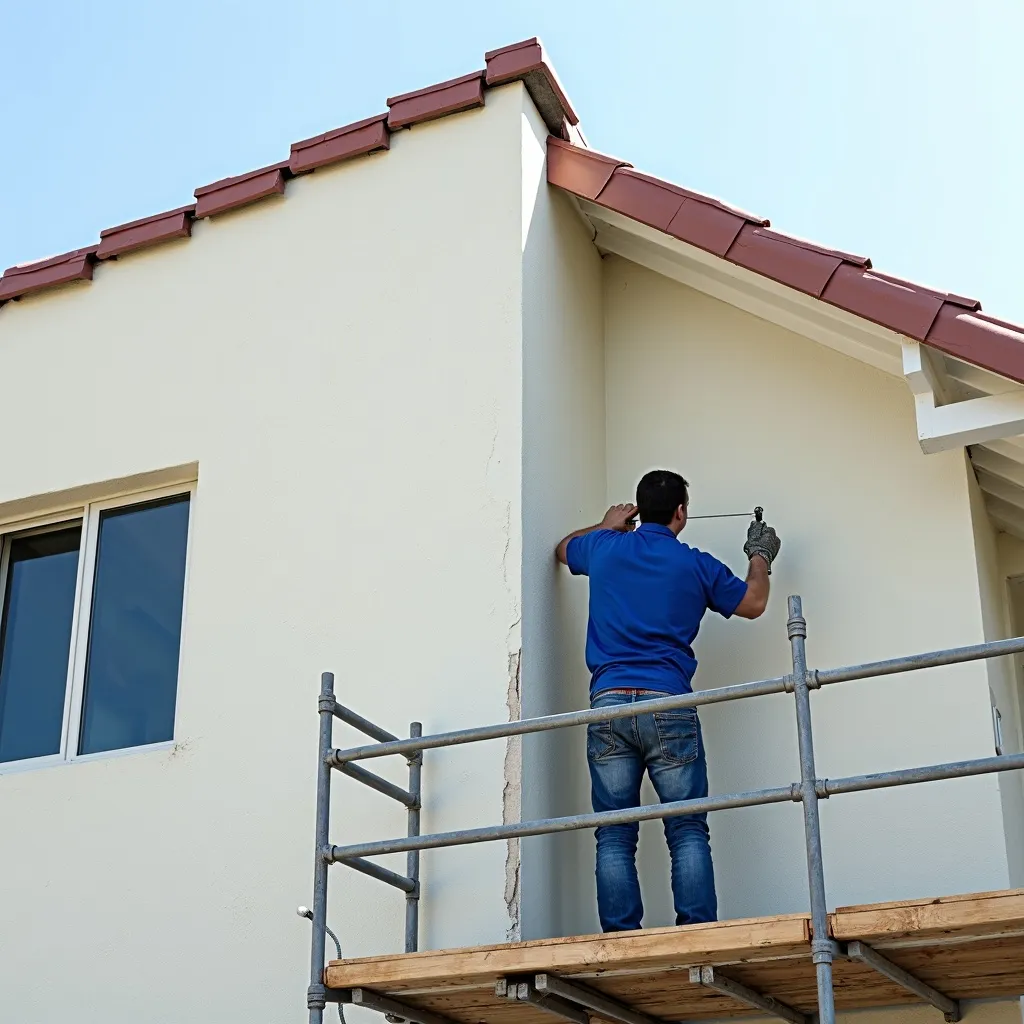
The Core Rewards of Qualified Plastering
Skilled plaster professionals provide numerous advantages that enhance the standard of interior spaces. This expert service strengthens the visual beauty of walls and ceilings, providing a consistent and even surface that is impressive in appearance. Furthermore, professional plaster application supports greater durability, defending walls from wear and deterioration as time progresses. The use of superior plaster can further promote superior thermal performance, regulating temperature and possibly minimizing energy costs.
In addition, trained plastering experts maintain the skills and expertise needed to identify and address embedded problems, such as water intrusion or construction concerns, before they grow worse. This anticipatory strategy not only guarantees a flawless finish but also extends the longevity of the work. Furthermore, the use of innovative products and methods validates a premium final result, creating areas that feel more appealing and pleasant. Ultimately, investing in professional plastering services establishes the base for magnificently completed interior environments that persist throughout the years.
Typical Plastering Techniques and Their Functions
Plastering techniques cater to different aesthetic and functional needs in interior spaces. One common method is traditional plastering, which requires applying a base coat followed by a finish coat, creating a smooth surface ideal for painting. Another approach is skimming, where a thin layer of plaster is spread over existing walls to refresh their appearance without extensive repairs.
Dimensional plaster finishing imparts decorative appeal and can conceal blemishes; approaches including knockdown or stucco finish form unique surfaces fitting for various style preferences. Venetian plaster, a luxury selection, delivers a luxurious, polished appearance through multiple layers and special application techniques, frequently enhancing the ambiance of refined interiors.
In conclusion, plaster finishing is frequently applied for new builds, supplying an efficient way to finish walls and ceilings. Each method addresses distinct purposes, permitting homeowners and designers to realize desired appearance while preserving durability.
How to Determine the Best Plaster Method for Your Room
Determining the best plastering technique necessitates a careful assessment of the wall's condition and the specific functionality of the space. Recognizing these factors helps determining the most suitable materials to use. By considering both the environment and functional requirements, you can achieve an informed choice that improves the room.
Assess Your Wall State
What is the best way to determine the most suitable plastering technique for a given space? Assessing the wall condition is important in this decision-making process. The first step includes looking for cracks, dampness, or uneven surfaces, which can affect the plastering method selected. For example, walls with noticeable flaws may need repairs before plastering, whereas smoother surfaces may benefit from a straightforward skim coat. Furthermore, identifying the type of wall material, like drywall or masonry, is key in picking the appropriate plaster. A careful evaluation guarantees the technique chosen not only enhances aesthetics but also offers lasting durability. In the end, understanding the wall's condition assists in making informed decisions that result in a flawless finish.
Assess Space Working Capacity
When assessing the optimal plastering technique for a space, understanding the room's purpose is crucial. Different areas of a home fulfill distinct purposes, which can affect the plaster method. For example, busy rooms like hallways may benefit from more resilient finishes that resist wear, while bedrooms might emphasize aesthetics and smooth textures for increased comfort.
Additionally, moisture-prone areas such as bathrooms demand specialized techniques to avoid mold and damage. In contrast, living rooms could highlight ornamental plaster applications to enhance visual appeal. By matching the plastering technique with the specific use of each room, one can achieve not only a perfect surface but also ensure longevity and functionality tailored to the environment's needs.
Decide on Right Materials
What products are best suited for plastering in a specific space? The choice of plaster products greatly impacts the appearance and durability of the area. Traditional lime-based plaster is perfect for older buildings, providing flexibility and breathability, which prevents moisture accumulation. Gypsum plaster, recognized for its quick setting time, is suitable for modern interiors and delivers a even finish. For humid areas, such as bathrooms, moisture-resistant plaster is suggested to prevent mold development. Additionally, taking into account the underlying surface is essential; plaster should adhere well to materials like brick or concrete. Ultimately, choosing the appropriate plastering material enhances both visual appeal and functionality, ensuring the interior spaces remain attractive and durable over time.
Critical Markers That You Need Qualified Plastering
When assessing the need for expert plastering, several important signs can indicate hidden issues. Cracks and openings, irregular wall surfaces, and signs of moisture damage are vital elements to consider. Tackling these issues quickly can avoid further deterioration and guarantee a smooth, aesthetically appealing inside.
Cracks And Holes Present
Cracks and holes can drastically compromise the visual and physical integrity of interior spaces. These flaws not only lessen the overall appearance but can also point to deeper issues within the walls. Small cracks may seem insignificant, but they can widen over time, leading to further damage. Holes, whether from nails or other objects, create vulnerabilities that can affect comprehensive article insulation and energy efficiency. Homeowners should not ignore these signs; addressing them promptly with professional plastering services ensures a seamless finish and avoids more extensive repairs in the future. Ignoring cracks and holes can lead to increased maintenance costs and an unappealing environment, making timely intervention essential for maintaining the beauty and durability of interior spaces.
Uneven Wall Textures
Uneven wall surfaces can greatly diminish the aesthetic appeal of a home, indicating the need for professional plastering services. Homeowners commonly notice variations in wall finish, with some sections seeming rough or bumpy. These imperfections can be caused by improper setup, foundation settling, or wear over time. An uneven surface not only affects the overall look but can also hinder the application of paint or wallpaper, causing an poor result. Furthermore, light can cast shadows on uneven walls, additionally drawing attention to imperfections. Hiring skilled plasterers guarantees that these surfaces are evened, providing a uniform base for additional finishing. A flawless wall enhances a home’s atmosphere and worth, making timely intervention crucial.
Water Damage Evidence
Water damage can manifest in different forms, often signaling the urgent need for professional plastering services. Homeowners should be alert for clear indicators. Marks or color changes on walls and ceilings are primary signs, often appearing as yellow or brown patches. Flaking or bubbling paint also suggests underlying moisture issues, as does the presence of mold or mildew, which can harm indoor air quality. Additionally, if walls feel damp to the touch or emit a damp odor, it may indicate hidden water damage. Cracks or chipping plaster can further reveal structural concerns linked to moisture infiltration. Addressing these signs promptly with professional plastering services is essential for maintaining a safe and attractive living environment.
What Price Should You Expect for Plastering?
What amount should one expect for plaster work in interior spaces? The price of plastering changes significantly depending on several considerations, including the area size, the type of plaster applied, and the job difficulty. On basis, property owners can expect spending from $1.50 to $3.50 per square foot for basic plaster work. For specialized finishes, like Venetian plaster, costs may increase to $6 or more per square foot.
Ancillary disbursements may come about from groundwork, such as restoring existing walls or ceilings. Labor costs also stand as fundamental, with skilled plasterers quoting hourly rates that can extend from $25 to $75. Ultimately, sourcing multiple quotes from licensed professionals can furnish a clearer picture of the expected investment, ensuring homeowners exercise good judgment while preparing budgets for their plastering projects.
Care Recommendations for Your Newly Plastered Interiors
Once you've invested in plastering for inside areas, maintaining the newly finished surfaces is important for longevity and visual appeal. Regular dusting with a soft, dry cloth helps prevent dirt accumulation. It's advisable to avoid abrasive cleaners that can damage the surface. Instead, mild soap mixed with water can be used for occasional cleaning.
Humidity regulation is important; excessive moisture can create mold or damage. Applying a humidity reducer in damp areas can minimize this risk. To safeguard against marks and dents, think about using protective cushions under heavy items.
Examine the plaster periodically for fissures or imperfections, addressing any problems promptly to avoid additional damage. Finally, using an appropriate sealant can enhance longevity and cleaning ease, ensuring the plaster maintains its aesthetic appeal over time. Sticking to these care tips will help preserve the aesthetic quality and strength of newly plastered interiors.
Popular Inquiries Asked Often
How long Does Plastering Usually Take to Finish?
Plastering commonly takes one to three days to finish, contingent upon the size of the area and the difficulty of the project. Setting period can prolong the total timeline, demanding extra time for optimal outcomes.
Is it feasible to plaster Over existing Wallpaper or Paint?
Plastering over existing wallpaper or paint is usually discouraged. The surfaces may prevent proper adhesion, producing cracks or peeling. For finest outcomes, taking off wall coverings before plastering is suggested.
What Selections in Plaster Compounds Are Available?
There are several plaster materials available, such as gypsum plaster, lime plaster, cement plaster, and acrylic plaster. Each type presents unique characteristics, ideal for different uses, environments, and preferred results, addressing diverse construction and aesthetic demands.
Does Plaster finishing Work well for Outdoor Applications?
External installations can be well-suited for plastering, particularly when utilizing specialized outdoor plaster products that combat water and temperature variations. These substances enhance durability while offering a durable and aesthetically pleasing coating for different outdoor surfaces.
How Do I Prepare My Room for Plaster Work?
To prepare a room in order for plastering, one should eliminate furniture, cover floors with drop cloths, tidy walls, restore any damage, and ensure proper ventilation. Complete preparation guarantees a more fluid application and finer final results.
Report this page